

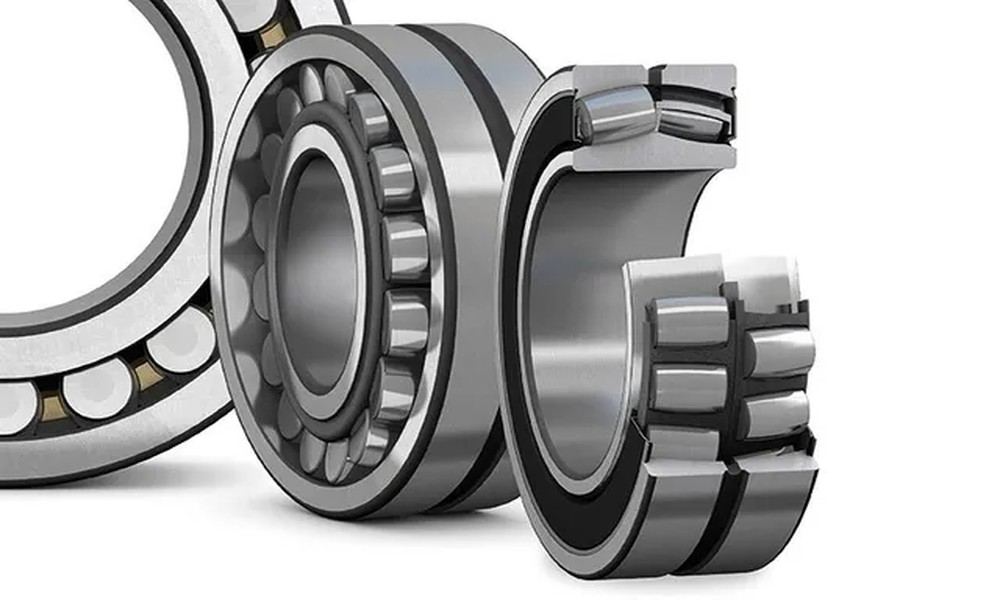
In precision engineering, the efficiency of linear motion systems often dictates the overall performance of industrial machinery. For high-load applications, selecting the right LMF linear bearing (In Thai known as ‘ลูกปืนสไลด์ LMF‘) is not merely about matching dimensions; it is about ensuring structural integrity and long-term reliability under continuous operational stress.
Persistent Failure Points in High-Load Linear Systems: Why Quality Matters
Operating in heavy-duty environments exposes bearings to immense mechanical stress. Standard or inferior bearings often suffer from “brinelling” (permanent indentation of raceways) or premature seal failure, leading to costly and catastrophic machine downtime. Utilizing a high-standard LMF linear bearing is the essential first step in mitigating these risks and ensuring smooth, friction-free movement even under the most demanding conditions.
7 Essential Technical Factors for Selecting LMF Linear Bearings
1) Dynamic and Static Load Ratings: Understanding the maximum capacity is vital. For heavy-duty tasks, the dynamic load rating determines the bearing’s expected lifespan, while the static rating ensures it can withstand sudden impacts or heavy stationary loads without permanent deformation.
2) Flange Precision and Stability: The “F” in LMF stands for the round flange. The thickness, flatness, and concentricity of this flange are critical for secure mounting. A high-quality flange ensures that the bearing remains perfectly perpendicular to the housing, even during high-speed travel.
3) Dimensional Tolerances: High-precision applications require micron-level accuracy. It is essential to ensure that the LMF linear bearing strictly adheres to international ISO or JIS standards for bore and outer diameter consistency to prevent “play” or excessive friction.
4) Seal Integrity for Harsh Environments: In industrial settings filled with dust, debris, or metal shavings, a robust dual-lip seal is mandatory. This keeps contaminants out while retaining high-grade lubricant, significantly extending the service life of internal components.
5) Material Grade and Heat Treatment: Superior bearings utilize high-carbon chromium steel (such as SUJ2) combined with specialized hardening processes. This provides the surface hardness necessary to resist fatigue and the internal toughness required to absorb operational shocks.
6) Lubrication Management: Friction generates heat-the primary enemy of precision. Consider how the bearing design facilitates grease retention and whether it can be easily integrated into existing maintenance schedules without requiring major machine teardowns.
7) Global Standardization and Interchangeability: Standardized dimensions (Metric/Imperial) facilitate easier spare parts management. Opting for bearings that follow global specifications ensures that your production line remains resilient and that replacements can be sourced without the need for re-engineering the system.
Selecting the right components today prevents costly mechanical failures tomorrow. By prioritizing these seven factors-from load ratings to material science-you ensure that your linear motion system remains a pillar of productivity. For those seeking technical guidance and high-standard LMF linear bearing solutions, I.N.B Enterprise provides the engineering expertise and quality inventory necessary to support Thai industrial excellence.