

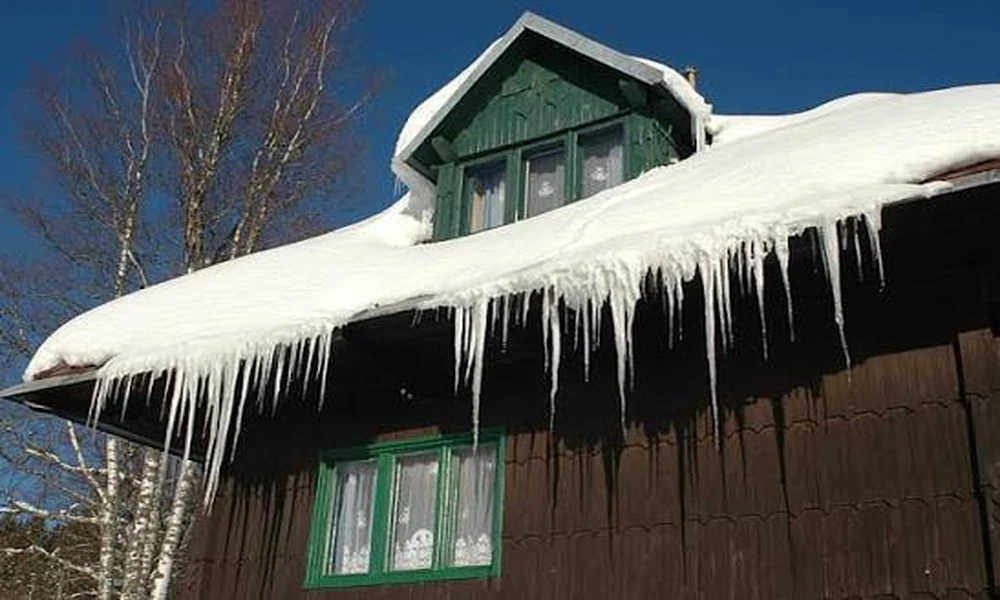
A flat roof doesn’t fail in August. It fails in February, quietly, on a Tuesday morning when it’s 14 degrees and the sun is doing that thing where it feels warm and lies to you.
Everybody blames age. Age is rarely the culprit. The real damage in Minneapolis and St. Paul gets done during freeze-thaw cycling, that endless winter loop where your roof surface warms enough to melt snow, then drops back below freezing a few hours later. Water gets into places it should never reach, freezes, expands, and pries things apart a millimeter at a time. Do that a couple hundred times between November and March and you understand why so many Twin Cities buildings develop leaks that show up nowhere near the actual breach.
If you’ve watched this happen for years, you eventually stop treating it as bad luck and start treating it as maintenance. Building owners who get ahead of it usually work with trusted flat roof experts in the Twin Cities, because the diagnosis matters more than the repair. Guessing wrong means paying twice.
Why Water Never Leaves a Flat Roof in Winter
Flat roofs aren’t flat. They carry a slight slope, usually a quarter inch per foot, so water drifts toward a drain, a scupper, or the edge of the building. That works beautifully in July.
In January, the drain might be frozen solid. Or buried. Or blocked by a bag of leaves nobody cleared in October. Meltwater pools anyway, finds the lowest point, and sits there. Then night comes. The pool freezes. Ice expands roughly nine percent in volume, and it doesn’t care what’s in its way.
I’ve stood on roofs where you can trace the whole history of that process: a hairline crack that starts at a seam, widening into a split, then a blister, then a soft spot underfoot where the insulation has been drinking for two winters. None of it visible from the parking lot.
Where the Damage Actually Starts
Freeze-thaw damage isn’t random. It shows up in the same places over and over, and once you know the list you can inspect your own building without climbing anything dangerous.
- Seams on membrane roofs. Every seam is a joint, and every joint is a candidate for separation once water works into it and freezes.
- Penetrations. HVAC curbs, vents, pipes, and conduit all punch through the roof, and the sealant around them dries out long before the membrane fails.
- Drains and scuppers. Blocked or frozen drainage is the single most common root cause of ponding, which drives everything else.
- Flashings and edges. Ice builds at the perimeter and pulls metal away from the wall or the parapet a little more each season.
- Low spots. Every pond you see in spring marks a spot where water sat all winter, working on the layers beneath.
Notice that only one of those is about the roof material itself. Water management failures cause more flat roof damage than UV exposure, hail, or age, and water management is something you can actually influence.
What Freeze-Thaw Does Below the Surface
A flat roof is a stack, not a sheet. Structural deck, vapor barrier, insulation, cover board, membrane, and maybe a coating on top. Water that gets past the membrane doesn’t stop at the insulation. It migrates sideways, sometimes several feet, and often enters through a seam on the north side while the stain appears on the south.
Then it freezes down there, between layers, where you can’t see it. Insulation that gets wet loses most of its thermal value, so the building runs colder and the problem compounds. Steel decking corrodes. Fasteners back out. Adhesive releases.
By the time a ceiling tile sags in your warehouse, the moisture has usually been moving through the assembly for more than one winter.
Why This Region Hits Harder Than Most
Snow doesn’t drain. It sits on the roof, insulates the surface from the cold air above it, and lets the deck stay warm enough to melt the bottom layer of snow into water. That water runs to the cold edge of the roof and freezes into an ice dam. This is normal winter behavior in cold climates, and the science behind freeze-thaw cycling and its effects on buildings is well documented by the National Oceanic and Atmospheric Administration.
Twin Cities buildings get this repeatedly, often for four or five months. A climate with one hard freeze and one thaw would be easier on roofs. A climate that oscillates for half a year is not.
Construction standards for roof assemblies and moisture control exist precisely because of this pattern. The National Institute of Standards and Technology publishes guidance on building performance under environmental loads, and the underlying principle is boring and consistent: assemblies that manage water well outperform assemblies installed perfectly with poor drainage.
A Spring Inspection You Can Run Yourself
You don’t need equipment, and you don’t need to walk on anything. Three of these five checks happen from the ground or the stairwell.
- Look for ponding within two days of a rain. Standing water after 48 hours means a drainage problem, and a drainage problem becomes an ice problem next winter.
- Check drain strainers and scuppers from a safe vantage point. Debris, not design, causes most of it.
- Walk the interior. Ceiling stains, musty smells in storage areas, and cracked ceiling paint all point upward. Photograph them and note the dates.
- Look at the exterior walls and parapet. Rust trails, efflorescence, or separated flashing at the top of the wall means water is getting behind something.
- Ask when the roof was last serviced. If nobody knows, that’s the answer. Residential flat roofs on homes and additions carry the same risk on a smaller scale, and the amount of deferred maintenance a roof can hide is limited by the owner’s memory.
Take photos each spring from the same four corners. Year over year, that record tells you more than any single inspection, and it costs nothing.
Repair, Restore, or Replace: An Honest Way to Decide
Here’s the framework I’d use, and I’d argue it beats any rule of thumb based on roof age alone.
The Three-Question Test. Question one: is the water coming in through one area or many? Question two: is the insulation wet? Question three: will the roof still be structurally sound in five years?
If it’s one area and the insulation is dry, a targeted repair makes sense. If water has spread and the insulation is saturated, coatings and patches are money set on fire, because you’re sealing moisture inside a roof that can’t dry. If the deck is compromised, nothing on top of it will hold.
That third question is the one owners skip, and it’s the expensive skip. I’d rather pay for a straight answer about a bad deck now than pay for a second membrane over a failing one in three years.
Watch for one more signal: a roofer who leads with a product instead of a question. The right first move is always diagnosing which layer failed. Housing and building guidance from the U.S. Department of Housing and Urban Development makes the same point about moisture and building durability, and it applies whether you own a four-unit building or 200,000 square feet of warehouse.
What Actually Protects Your Building
Freeze-thaw doesn’t negotiate. It just takes what it’s given, every winter, for as long as the building stands. The owners who come out ahead aren’t the ones with better membranes. They’re the ones who clear the drains in October, photograph the roof in April, and get a real diagnosis the first time water shows up inside.
Because the failure is slow and quiet, the response can be too. That’s the trap. Two autumns of ignored ponding is usually all it takes to turn a repair into a replacement.
So before the next meltwater season arrives, when’s the last time anyone actually looked at your roof?