

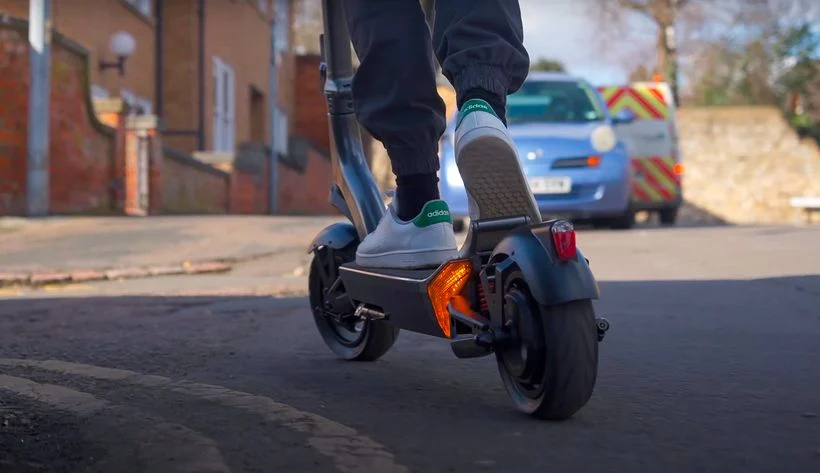
Kick scooters are no longer just toys for kids and teenagers. Today, electric scooters have become a favorite choice for adults who want a fast, affordable, and eco-friendly way to get around. All terrain electric scooters are especially popular in big cities where e-scooter ride-sharing services make commuting quick and convenient.
But while scooters are fun and practical, safety is still a big concern. Even though most scooters are designed with safety in mind, accidents can still happen — usually when the rider doesn’t handle the scooter properly.
Whether you own a personal electric scooter or are renting one, here are some important safety tips you should always follow to enjoy your ride without unnecessary risks.
Tip #1: Always Check Your Scooter Before Riding
Before hopping on, make sure your scooter is in good working condition. Doing a quick check before every ride can help prevent accidents and keep your scooter in top shape.
Here’s a simple checklist:
- Make sure the brakes, accelerator, and lights are working.
- Check the tires for damage or low air pressure.
- Confirm the stem latch is locked securely in place.
- Ensure the charging ports and rubber caps are closed tightly.
- Check the battery level before leaving.
It’s also a good idea to inspect your scooter once a week if you use it every day. Scooters don’t require a lot of maintenance, but keeping an eye on them will make them last longer and keep you safe.
Tip #2: Always Wear a Helmet
One of the most common mistakes riders make is skipping the helmet. Studies show that only a small number of injured riders were wearing helmets when accidents happened. A helmet is the single most important piece of safety gear — it protects your head in case you fall.
In some places, like Australia, helmets are legally required when riding e-scooters. Depending on your riding speed, you can use a bicycle helmet for short trips or a stronger full-face helmet if you ride faster.
For extra safety, you can also wear:
- Gloves (to protect your hands from scrapes or cold wind)
- Knee and elbow pads
- Reflectors or bright clothing for visibility at night
But remember: if you only choose one piece of gear, it should always be the helmet.
Tip #3: Ride in the Proper Position
Your riding posture makes a huge difference in how safe and comfortable your trip will be. Standing the wrong way makes it harder to balance and increases the chance of falling.
Here’s how to stand correctly:
- Start with your weak leg on the deck, then push forward using your strong leg.
- Once moving, place your strong leg behind your weak leg. This keeps you balanced and helps you take up less space on the road.
- Keep both hands on the handlebars — one on the accelerator, the other ready to use the brake.
- Keep your back straight. Lean slightly forward when accelerating or going uphill, and lean slightly back when slowing down or riding downhill.
Practice this position until it feels natural. Good posture will keep you stable and safe on every ride.
Tip #4: Follow Traffic Rules and Local Regulations
Every country or city has different rules for electric scooters. For example, in Australia, not all states allow personal scooters on public roads. In New South Wales and South Australia, personal scooters are banned in public areas, but you can still ride shared scooters in certain city zones like Adelaide’s CBD.
Speed limits also vary. While the general maximum speed is around 24 km/h (15 mph), some places limit scooters to 10 km/h in specific areas. Riding faster than the limit can lead to fines and increase the chance of accidents.
Before riding, always check your local rules so you know where and how you can legally use your scooter.
Tip #5: Avoid Risky Paths and Bad Weather
Not all scooters are made for rough terrain or heavy rain. Even if some brands sell off-road models, it’s better to avoid risky paths, steep hills, or riding in stormy weather.
Rain makes roads slippery, reduces visibility, and increases braking distance. While your scooter may survive the ride, you could end up injured or uncomfortable. Just like with cars or bikes, it’s safer to stay indoors until the weather improves.
Tip #6: Carry a Spare Battery
If your scooter has a removable battery system, carrying a spare can be a lifesaver. A spare battery is useful if you:
- Forget to charge before leaving
- Need to take a longer trip
- Want to avoid getting stranded on the way home
Most scooter batteries are light and can fit in a backpack, so bringing one along gives you peace of mind and more freedom to travel.
Safety Comes First
No matter how fun or convenient electric scooters are, safety should always come first. By following these tips — checking your scooter, wearing your helmet, keeping the right posture, following traffic laws, avoiding risky conditions, and carrying spare batteries — you can make every ride safe and enjoyable.
Electric scooters are here to stay, and they’re changing the way people travel in cities. If you ride smart and safe, you’ll not only avoid accidents but also get the most out of your scooter.