

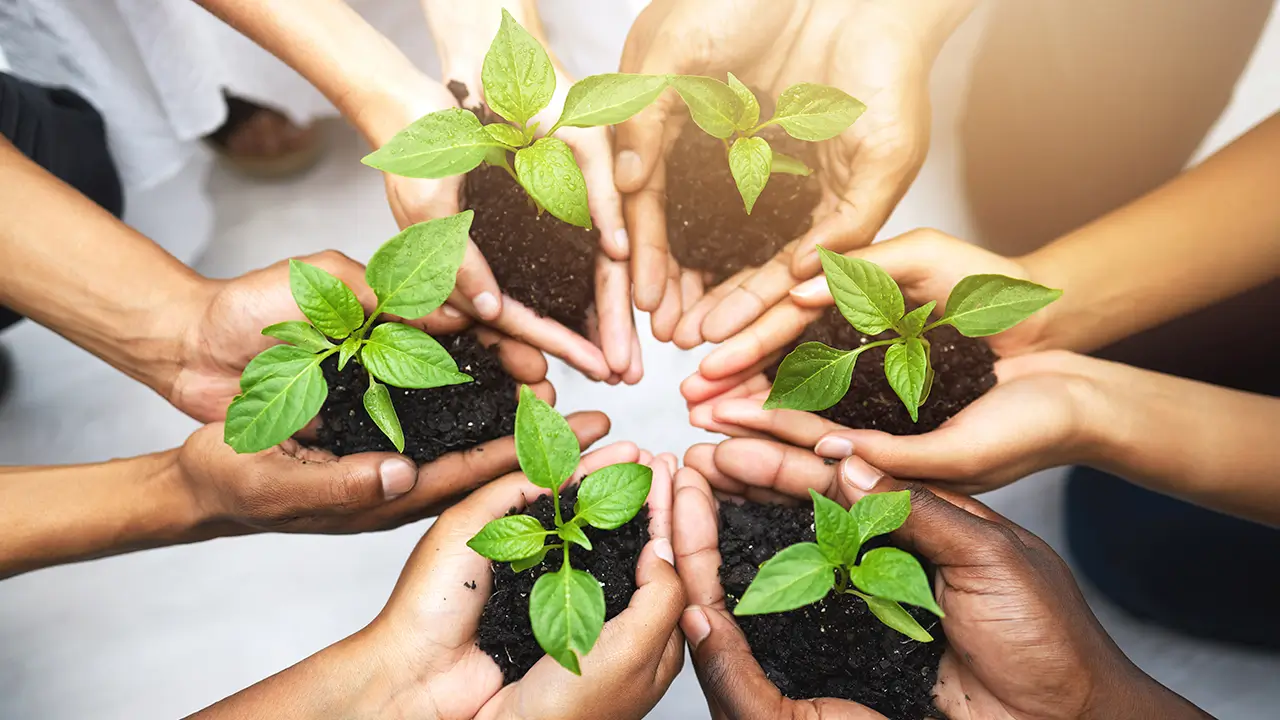
Indigenous communities maintain ecological balance through sustainable practices. Traditions of stewardship ensure that ecosystems are sustainably productive. The HDI Six Nations program illustrates how ancestral management methods protect biodiversity and meet community needs. In contrast to extraction-based methods that rapidly deplete resources, these time-tested strategies offer alternatives.
Generational knowledge transfer
A young member is taught how to read landscapes and identify seasonal changes by their elders. Direct observation and hands-on experience over a lifetime are what provide this knowledge, not books or formal education. A child learns what plants have medicinal properties, when fish run at their peak, and how weather patterns change throughout the year. Species determine ecosystem health, and certain areas require rest periods between their use. The process of hunting, gathering plants, and managing land is natural learning. Stories disguised as entertainment teach animal behaviour and environmental cycles. Each generation observes changes and adapts practices based on what they observe. The core principles of living knowledge systems are maintained continuously to prevent overexploitation.
Reciprocal relationship frameworks
Indigenous stewardship considers humans as integral parts of living ecosystems. Taking from nature requires people to restore and support renewal through careful actions. Only what is truly needed is harvested, so waste does not reduce future abundance. First harvests are returned as offerings to honour the bond between communities and the sources of their food. Ceremonies recognise seasonal changes such as salmon runs and harvest times. Decisions consider seven generations ahead, so land is cared for as family and future life remains possible.
Adaptive management practices
Stewardship methods adjust based on observed conditions rather than following rigid plans regardless of circumstances. Monitoring happens continuously through daily interaction with territories, noting changes in plant abundance, animal populations, and water quality. Harvest areas rotate based on recovery rates, with some zones resting while others get used. Fire gets applied strategically when fuel loads build up, or certain plants need burning to regenerate properly. Fish weirs get opened or closed depending on run strength each season, ensuring sufficient spawning populations pass upstream.
Plants are collected according to protocol in order to select specimens for seed production and others for seed collection. The weather, resource availability, and ecosystem conditions can be adjusted over time through a flexible approach. According to observations, traditional ecological calendars need to be modified to guide timing for different activities. The adaptive capacity allows management systems to handle unpredictable events and changing environmental conditions effectively.
Landscape-level integration
Stewardship considers watersheds and ecosystems as wholes rather than treating individual pieces. Actions in one place consider effects on connected lands through water movement, wildlife travel, and plant spread. Sacred sites often guard headwaters, spawning grounds, and migration paths. Preventing conflict across the landscape as well as protecting fish habitats, medicinal plants, and water is the result of planning land uses across the landscape. Hunting and farming maintain a balance between predators and prey. A healthy ecosystem requires natural processes and an adequate ecosystem size.
The indigenous community has developed a knowledge system that has evolved over centuries as a way to align human welfare with ecosystem health, enabling them to ensure stewardship. Cultural connections and productive landscapes can be preserved by incorporating these approaches.