

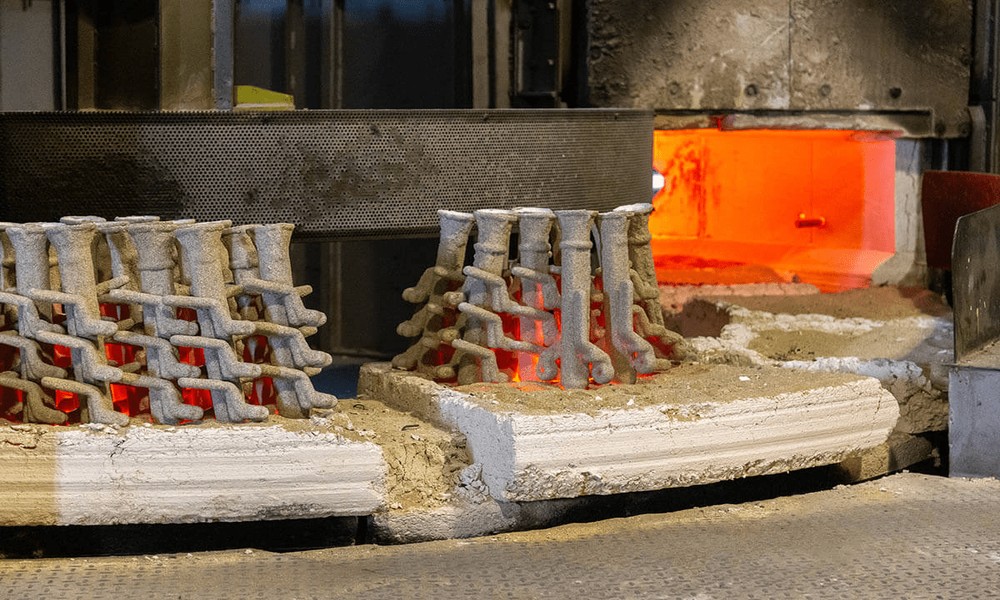
Creating precise metal components requires methods that support detail and consistency. Investment casting stands as a trusted process that shapes intricate forms with steady output and minimal variation. It helps manufacturers achieve complex geometries while maintaining uniform quality across batches. This method ensures controlled material flow and structure, making it ideal for precise parts and smooth finishes in demanding applications, including thailand investment casting.
How Patterns Ensure Accuracy
Pattern creation forms the base for reliable shaping and steady outcomes. Each model reflects the required dimensions with clarity, helping maintain uniformity throughout production. Careful preparation reduces variation while supporting clean edges and proper alignment.
Why Material Flow Matters
Controlled movement of molten material plays a major role in maintaining structural strength. Smooth flow prevents defects that can affect durability and surface quality. Balanced temperature helps the material fill every section properly without leaving gaps or weak areas.
This careful handling ensures that components meet strict standards while maintaining reliability across different production cycles with thailand investment casting applied in controlled environments.
Can Complex Shapes Be Achieved
The method allows the production of detailed structures that are difficult to produce through other processes. Intricate internal paths and refined outer forms can be shaped without extra machining. This reduces production time while also limiting material waste.
Consistent Surface Quality Output
Smooth surfaces are achieved directly from the mold, which reduces the need for further finishing work. This helps maintain dimensional accuracy while saving effort during later stages. Uniform texture improves the reliability of parts during usage.
Efficient Production Workflow Gains
Efficient process control supports steady output while maintaining consistent quality across batches. Reduced material waste and fewer corrections help improve overall productivity. Clear workflow steps ensure smooth transitions between stages.
- Controlled steps improve output quality across repeated production cycles
- Balanced resource usage supports efficient planning without unnecessary material loss
- Reduced corrections save time during later stages of production
- Stable process flow maintains consistency in every manufactured component
- Improved coordination helps maintain steady performance across manufacturing operations
What Supports Design Flexibility
Flexible design options allow the creation of parts with specific functional needs. Complex structures can be produced as a single unit, which reduces assembly requirements. This improves strength while simplifying production steps. Better adaptability also helps industries respond to changing demands while maintaining consistent quality in each component produced through reliable manufacturing processes.
Strong process control combined with accurate planning supports dependable production results. This approach helps maintain dimensional precision while reducing errors that affect performance. With better material handling and adaptable design options, manufacturers can meet strict requirements efficiently. It provides a reliable method to produce detailed components while maintaining consistency, making it suitable for industries that demand accuracy and steady output.