

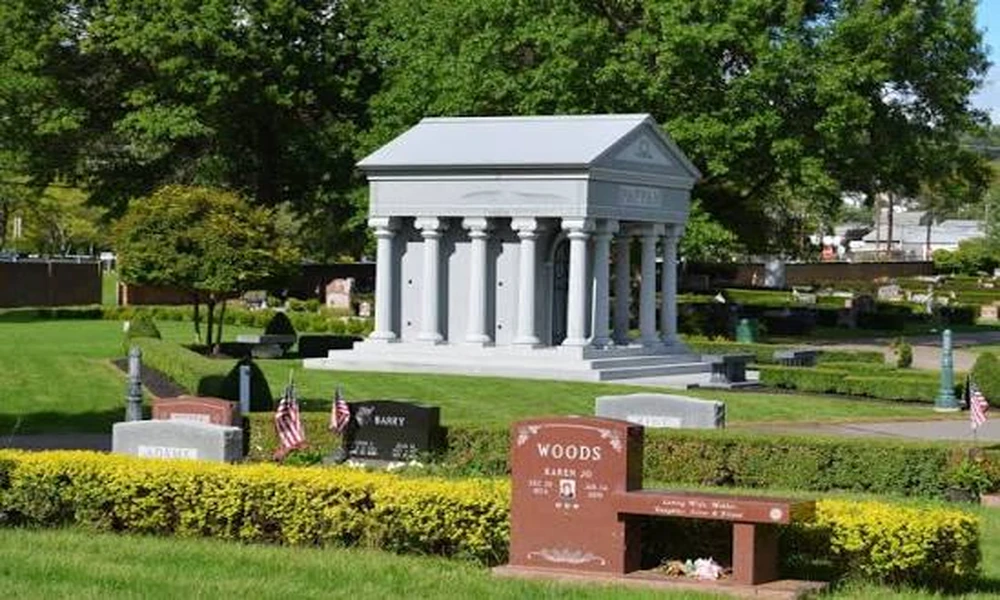
Most families start shopping for a mausoleum with one sentence and no plan: “We don’t want an underground burial, but we don’t know what else exists.” That single preference opens a decision with four moving parts, and each one changes the cost, the setting, and how the place will feel on a random Tuesday five years from now.
Here’s the short version. A mausoleum is simply an above-ground building with individual entombment spaces, and it can hold caskets, cremation urns, or both. The choice comes down to location, building style, whether you want a chapel on site, and how your family wants to visit over the long term. Get those four sorted and the rest falls into place.
Plenty of families in the Upstate tour a few options first and decide later. One practical starting point is to review Robinson Funeral Homes mausoleum options to see how a single campus can offer a garden setting, a bell tower, and a veterans section side by side. Seeing the range in one place makes the tradeoffs much easier to judge.
What actually happens during entombment?
This is the question people whisper rather than ask out loud, and you deserve a straight answer.
The casket goes into a sealed crypt inside the building, either at ground level or on a tier behind a granite or marble front. The face is inscribed and set in place. There’s no soil, no lowering device, and no graveside tent in the rain. For cremation, the urn is placed in a smaller niche or a crypt built for that purpose, often in the same building.
Many mausoleums keep the interior climate controlled, which matters more than you’d think. A committal service can happen indoors in January without everyone standing in a wet field. I’ve talked with families who chose a mausoleum for exactly that reason and never mentioned aesthetics once.
Four things to compare before you sign anything
Treat this like buying a house in miniature. The building is permanent, so the details you gloss over will be the details you live with.
- Setting. A pond, a garden arbor, a brick wall of service emblems. Walk the grounds at the time of day you’d actually visit, not at 10 a.m. on a brochure-perfect morning.
- Building character. Some mausoleums feel like a quiet chapel. Others read as a long colonnade. Neither is wrong. One will feel like your family and the other won’t.
- Mixed placement. If one parent wants casket entombment and another prefers cremation, does the building accommodate both without splitting your family across two sites?
- Maintenance. Ask who handles upkeep, repairs, and the endowment fund that pays for it decades from now. A beautiful building with no maintenance fund is a future headache.
That last point deserves real weight. Perpetual care rules vary by state, and it’s reasonable to ask directly how the cemetery funds long-term care before you commit. The National Park Service maintains some of the country’s oldest above-ground burial structures, which tells you something useful: buildings outlive the people who built them, so the funding question is not morbid, it’s practical.
Is a mausoleum more expensive than a grave?
Usually not by as much as people assume. A mausoleum crypt often lands in a similar range to a traditional plot once you add the opening and closing fees, the vault, and the marker that a ground burial requires. In some cases it comes in lower.
The honest comparison looks like this. A ground burial bundles plot, vault, grave opening, monument, and perpetual care into separate line items. A crypt bundles the space and the entombment into one, and the marker is often part of the front. Ask both cemeteries for a written itemized quote, then set them side by side. The gap narrows fast.
One more thing to plan for: you can typically prearrange this purchase years ahead and lock terms in place. General consumer guidance from USAGov covers the basics of funeral planning and your rights as a buyer, and it’s worth twenty minutes before any appointment.
Can you visit a mausoleum any time?
Yes, and that openness is the quiet advantage nobody advertises. There’s no gate to a single plot, no muddy walk to a far corner. You park, you walk in, you stand with your person. Grandkids can come. You can stop by after church in whatever shoes you’re wearing.
Some families find the indoor setting easier for the very old and the very young, and that’s a real factor when you’re thinking about who will visit for the next thirty years. Ask about visiting hours while you’re touring. Most are generous, but confirm it in writing.
The Visiting-in-Twenty-Years Test
Here’s a filter I’d hand to any family weighing this decision. It’s simple, and it cuts through a lot of brochure language.
Picture a specific person, say your youngest niece at age thirty, driving to this building alone on a weekday afternoon. She doesn’t have the funeral director’s number. She just wants to sit with her grandmother for fifteen minutes. Can she find the space easily? Does the building feel safe and open? Is there a bench, a chapel, a place to stand that isn’t a narrow corridor? If the answer is yes on all three, the option is worth serious consideration. If the imagery only works when a staff member is guiding you, it fails the test.
Run that scenario on every option you tour, and keep notes afterward. The one that holds up under that imagined visit is usually the right one.
Where mausoleums came from, briefly
The name traces to the tomb of Mausolus at Halicarnassus, one of the seven wonders of the ancient world, built in the fourth century BCE. Above-ground burial has never really gone out of style since. It shows up across Mediterranean, Middle Eastern, and Southern European traditions, and it moved into American cemeteries in the nineteenth century as cities ran short of land.
That history explains a modern selling point: a mausoleum uses far less ground per person than a burial plot. In dense areas, that’s not a small consideration. If land is scarce where you live, the building is doing work a field can’t.
Five steps to make the decision
- Write down your non-negotiables. Indoor service, veterans honor, cremation and casket together, proximity to home. Three or four items, no more.
- Tour at least two options, ideally on the same day, and walk the grounds at the hour you’d actually visit.
- Request itemized written pricing from each, then compare total cost against a full ground burial quote.
- Ask about maintenance funding, visiting hours, and what happens if a family member wants to add a space later.
- Run the Visiting-in-Twenty-Years Test and write your notes before you drive home. Memory blurs by dinner.
And bring the person who will visit most often. That’s often not the person signing the paperwork, and their reaction in the building tells you more than any chart will.
What to do next
You don’t have to decide this week. You do have to know what you’re comparing, and now you do: setting, building character, mixed placement, chapel access, and the long-term maintenance fund. Those five items cover nearly every question that comes up after the tour is over.
My honest advice: if your family wants a permanent, physical place to gather indoors, in any weather, for generations, a crypt is hard to beat. Set two appointments, bring a notebook, and give yourself a quiet afternoon between the tours. What did the building feel like when nobody was talking? That answer usually sticks.