

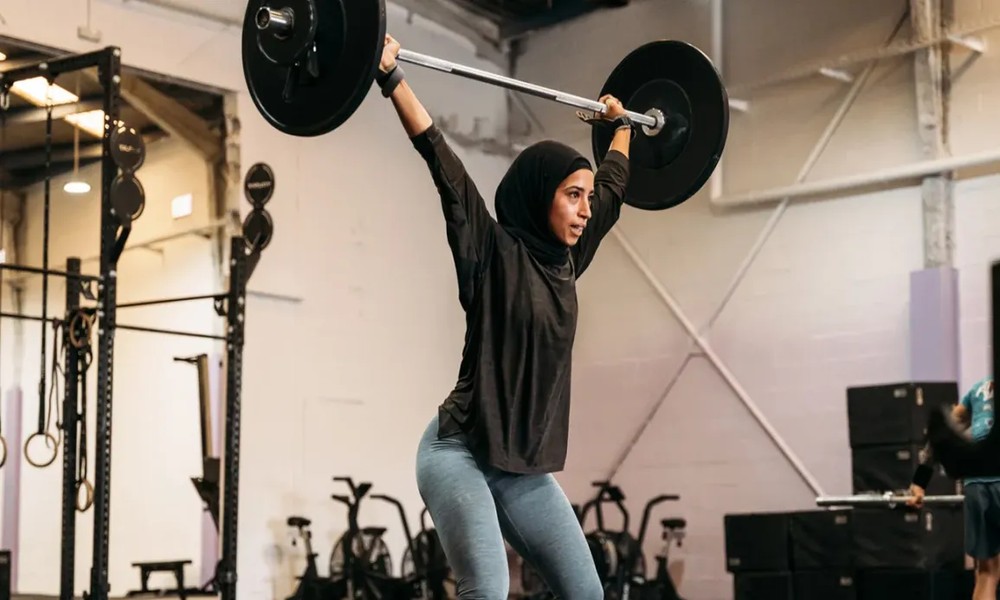
A strong core is more than visible abs, it’s the anchor for almost every move your body makes. But in a world buzzing about CrossFit and functional training, how do these tools and techniques actually help you get stronger from head to toe?
What Is Core Training and Why Is It Important for Strength?
Core training is often misunderstood as a pursuit of chiseled abs or endless crunches. In reality, it involves strengthening the muscles that stabilize your spine and pelvis: the abdominals, obliques, lower back, hips, and even the glutes. This network acts as your body’s powerhouse, driving movements and protecting against injury.
A stable core improves posture, athletic performance, and daily function. Imagine lifting a heavy box, swinging a tennis racket, or even sitting upright all day. Each relies on more than arm or leg strength; your core is quietly doing the heavy lifting.
Yet, myths persist. Many believe hours of sit-ups are the secret, or that core training is reserved for athletes. The truth? Anyone can benefit, and effective core work is a full-body affair.
How Does CrossFit Equipment Complement Core Training?
CrossFit is famous for its dynamic routines and variety of equipment. Kettlebells, medicine balls, plyometric boxes, rowing machines, and barbells aren’t just for show. Each tool challenges the core differently, enhancing functional strength beyond the gym.
Functional movements, think deadlifts, kettlebell swings, box jumps, recruit numerous muscle groups at once. This mimics real-life activity, forcing your core to stabilize, balance, and generate power in unpredictable ways.
Integrating CrossFit equipment into core workouts isn’t about flashy routines. It’s about teaching your core to adapt, coordinate, and support complex movements, whether you’re lifting groceries or sprinting up stairs.
Can Core Training and CrossFit Equipment Together Improve Overall Strength?
When you combine focused core training with CrossFit equipment, you tap into a synergy that builds total-body power and resilience. The result goes far beyond aesthetics. Improved core stability means safer, stronger lifts, while functional equipment enables movements that challenge and build strength throughout the body.
Research consistently supports this pairing. Studies show that athletes who integrate core stability drills with functional equipment experience greater improvements in strength, balance, and athletic performance compared to those using only traditional machines or isolated exercises.
Visit any gym that prioritizes functional training and you’ll meet people who’ve overcome plateaus or injury by combining these methods. The blend of targeted core work and versatile equipment helps everyone from beginners to seasoned lifters unlock new strength.
What Are the Best Core and CrossFit Exercises for Strength Gains?
Effective core training doesn’t require fancy choreography. Planks, Russian twists, dead bugs, and Pallof presses all build foundational strength, especially when paired with equipment.
CrossFit-inspired movements such as kettlebell swings, wall balls, and barbell squats demand engagement from your entire core. Try mixing bodyweight exercises (like mountain climbers or side planks) with loaded moves (farmer’s carries, weighted sit-ups) for a dynamic routine.
Balance is key. Alternate focused core days with full-body CrossFit circuits to avoid overtraining and ensure every muscle group gets attention.
How to Safely Incorporate Core Training and CrossFit Equipment Into Your Routine?
Before jumping in, assess your fitness level honestly. Beginners should master basic movements and build up a baseline of stability before adding weight or complexity.
Injury prevention is crucial. Avoid ego-lifting or pushing through pain. Listen to your body and focus on form first. Overtraining, especially with high-intensity circuits, can lead to setbacks rather than gains.
Personalized plans and professional guidance make a difference. Small group classes or personal trainers can help tailor routines and provide real-time feedback, creating a safe and motivating environment.
How Does Functional Training Compare to Traditional Strength Training?
Traditional strength training often isolates muscles using machines or static lifts. Functional training, by contrast, emphasizes movements that simulate daily tasks and recruit multiple muscle groups.
The difference shows up in your day-to-day: a stronger core and functional routine means carrying groceries feels easier, your posture improves, and your risk of common injuries drops.
For those prioritizing overall function, flexibility, and real-world strength, functional training often offers more comprehensive benefits than purely conventional lifting.
Where Can You Access Quality Core and CrossFit Training Programs?
In cities like Montreal, a spectrum of options exists. Group classes, small group sessions, and personal training all offer different levels of structure and support. Facilities like those offering West-End Gym functional training provide access to dedicated spaces and expert instructors committed to both safety and results.
If you prefer to train at home or remotely, virtual programs and online resources can guide you, but in-person feedback remains invaluable for perfecting form and progression.
What Results Can You Expect and How to Track Progress?
Strength isn’t just about heavier lifts or six-pack selfies. Improvements often reveal themselves in daily ease, better posture, and athletic confidence. To track progress, consider:
– Logging personal bests on functional lifts or core holds
– Assessing balance and stability over time
– Setting goals that focus on movement quality and endurance, not just numbers on a scale
Staying motivated comes from seeing, and feeling, real-world results. And with the right mix of core training and CrossFit tools, those results are within reach for anyone willing to put in the effort.