

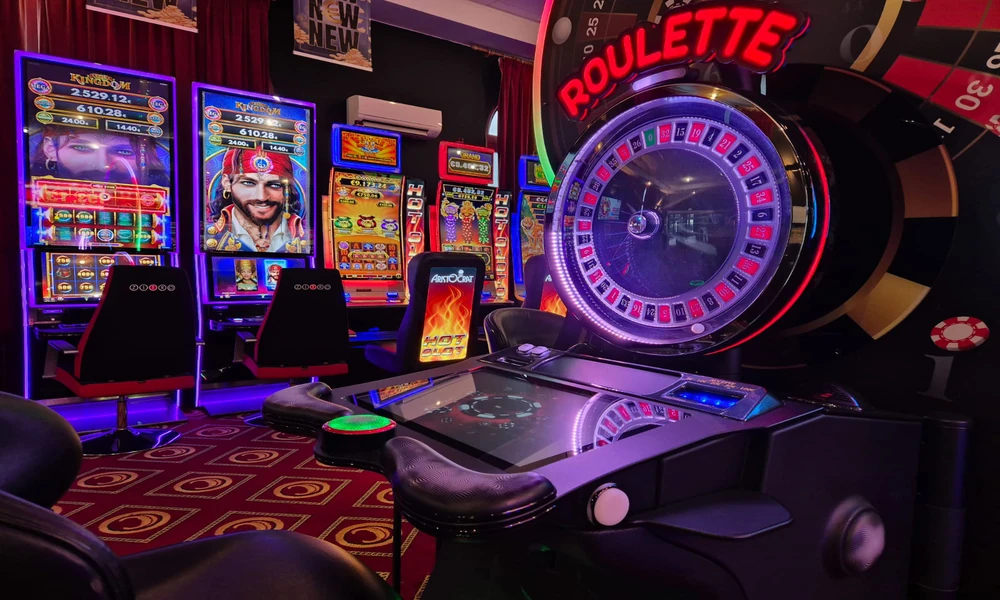
Session pacing refers to the speed at which a game moves through rounds and outcomes within a set timeframe. Mrmoney88 free credit RM5 players often evaluate this before engaging in any game. The pace of a session affects its length, mental effort, and consistency. Games might not suit all types of players, and pacing is an important sign.
Pacing affects concentration
When a game moves quickly, the mental load per round is compressed into shorter intervals. High-speed formats leave little room for deliberate thinking. A player’s concentration varies by individual, and game speed directly impacts how long they stay engaged. Pace and concentration interact through several factors:
- Round frequency determines how often a player must process new information
- The number of decision points per round adds to or reduces cognitive load
- Waiting periods between rounds allow brief mental recovery
- Display speed of results affects how quickly the cycle begins
Depth over speed
Games with measured pacing allow players to think through each position without external pressure. Card-based formats often fall into this category, where the sequence of play naturally creates pauses. A player drawn to structured decision-making generally performs better in these settings, not because the game is simpler, but because the available time matches their natural processing speed. Slower games also have a practical dimension. Sessions can run without the same intensity of mental effort, which suits players who prefer longer engagement over rapid-fire interaction. The experience feels less reactive and more considered, which for many players represents a more comfortable form of participation.
Fast game awareness
A fast-paced game compresses decision time and speeds up outcomes. This format favors intuition and quick evaluation over extended analysis. Continuous activity appeals to some players, since it maintains engagement across the session. Several live formats and slots fall into this category, where rounds are resolved within seconds, and the next begins almost immediately. This requires a particular level of attention. Fast-paced formats often end before players intend, simply because their awareness cannot keep pace with the pace.
Decision rhythm alignment
Players often align their game choice with their natural decision rhythm without consciously labeling it as pacing:
- Some players process outcomes slowly, preferring to take a break between rounds.
- Others thrive under condensed timelines where decisions must be immediate.
- Table games with visible dealing sequences feel more structured.
- Games without visible round transitions can blur session length perception.
Recognizing where your decision rhythm sits is a useful reference point before selecting a format. A mismatch between personal pace and game speed does not necessarily lead to poor outcomes. It often contributes to sessions that feel rushed or drawn out. Matching the two produces a more settled, consistent play style. This awareness helps players choose games that match their temperament. Those who prefer constant engagement might enjoy slower-paced games like poker. A suitable rhythm and format ensure a satisfying session.
Pacing is rarely discussed as a primary selection criterion, yet it consistently shapes how a session unfolds. Players who consider game speed before starting build sessions align well with their natural engagement style. Fast-paced games or slow games chosen by people who prefer near-constant activity create friction that accumulates quietly over time.