

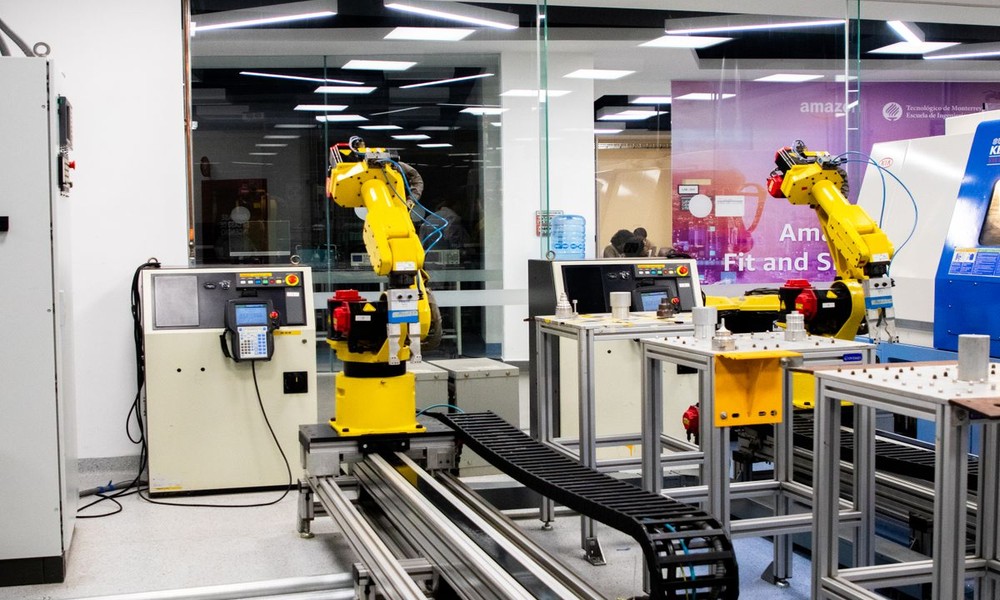
For many manufacturers, equipment breakdowns remain one of the most expensive and disruptive challenges on the factory floor. A single unexpected machine failure can halt production, delay customer orders, increase maintenance costs, and reduce overall profitability. Traditionally, maintenance teams relied on scheduled servicing or reactive repairs after a problem occurred. However, advances in artificial intelligence are transforming this approach.
Today, AI-powered Industrial Vision Systems are becoming an essential tool for predictive maintenance, helping manufacturers identify potential equipment failures before they result in costly downtime. By combining high-speed cameras, advanced image processing, and machine learning algorithms, these systems provide continuous monitoring of machinery and production processes, allowing maintenance teams to act proactively rather than reactively. Manufacturers increasingly deploy Industrial Vision Systems to automate inspection, identify anomalies, and generate valuable production intelligence across a wide range of industries.
The Shift from Reactive to Predictive Maintenance
Traditional maintenance strategies generally fall into two categories: reactive maintenance and preventive maintenance.
Reactive maintenance involves repairing equipment only after a failure occurs. While this approach minimizes maintenance activity initially, it often leads to expensive emergency repairs and unplanned downtime.
Preventive maintenance improves upon this model by servicing equipment according to a predetermined schedule. However, scheduled maintenance may still result in unnecessary part replacements or fail to detect emerging issues between service intervals.
Predictive maintenance offers a smarter alternative. By continuously monitoring equipment condition and performance, manufacturers can identify warning signs of failure before a breakdown occurs. Research into predictive maintenance consistently shows that data-driven monitoring can reduce downtime, extend equipment life, and improve operational efficiency.
How Vision Systems Support Predictive Maintenance
Many people associate machine vision with product inspection, but its capabilities extend far beyond quality control.
Modern vision systems can continuously observe manufacturing equipment and detect visual indicators that may signal developing problems. These indicators include:
- Abnormal wear patterns
- Surface damage
- Misalignment of components
- Fluid leaks
- Excessive vibration effects
- Unexpected movement patterns
- Contamination buildup
Advanced AI algorithms analyze thousands of images and compare current conditions with historical operating patterns. When the system detects an unusual change, it can automatically generate alerts for maintenance personnel.
Because these inspections occur in real time, issues can be addressed long before they lead to equipment failure.
Real-Time Monitoring Creates Smarter Factories
One of the greatest strengths of AI-powered vision technology is its ability to provide continuous monitoring without interrupting production.
Unlike manual inspections that occur periodically, vision systems operate around the clock. Cameras capture visual data while machines continue running, allowing manufacturers to monitor equipment health without sacrificing productivity.
Modern machine vision platforms also provide real-time dashboards, production statistics, and analytics that help engineers understand equipment performance trends and identify emerging maintenance risks. These capabilities support the broader objectives of smart factory initiatives and Industry 4.0 transformation programs.
As a result, maintenance teams gain greater visibility into factory operations and can make more informed decisions.
Reducing Unplanned Downtime
Unplanned downtime is one of the costliest problems facing manufacturers today. Industry studies continue to highlight the significant financial impact of unexpected equipment failures and the growing role of AI in preventing them.
Vision systems help reduce downtime by detecting subtle warning signs that may be difficult for human operators to notice. For example, AI can identify gradual changes in machine components that indicate excessive wear or developing faults.
Instead of waiting for a machine to fail, maintenance teams can schedule repairs during planned production breaks. This minimizes disruption and prevents emergency shutdowns.
Over time, even small reductions in downtime can generate substantial cost savings and productivity improvements.
Improving Workplace Safety
Predictive maintenance is not only about protecting equipment-it also helps improve workplace safety.
Equipment failures can create hazardous situations for employees, particularly in high-speed manufacturing environments. By identifying potential issues before they escalate, vision systems reduce the likelihood of accidents caused by mechanical failures.
AI-powered vision technology can also monitor workplace conditions and identify safety risks such as missing protective equipment, unsafe behaviors, or restricted-area violations. Emerging industrial AI solutions increasingly combine operational monitoring with safety applications to create safer and more efficient manufacturing environments.
This dual benefit makes machine vision a valuable investment for both operational performance and workforce protection.
Supporting Data-Driven Decision Making
The true value of predictive maintenance lies in data.
Every image captured by a vision system contributes to a growing database of operational information. Manufacturers can analyze this data to identify recurring issues, optimize maintenance schedules, and improve equipment reliability.
Experts increasingly emphasize that successful industrial AI initiatives depend on collecting, organizing, and utilizing high-quality operational data. When integrated with broader manufacturing systems, vision-generated data can support predictive analytics, performance optimization, and intelligent decision-making throughout the factory.
This data-driven approach enables continuous improvement and supports long-term operational excellence.
The Future of Vision-Based Maintenance
As artificial intelligence continues to advance, the role of machine vision in predictive maintenance will become even more significant.
Future systems will combine computer vision with IoT sensors, robotics, digital twins, and advanced AI models to create self-monitoring manufacturing environments. These technologies will not only detect potential failures but also recommend corrective actions automatically.
Manufacturers that adopt these innovations today are positioning themselves for a future where maintenance becomes increasingly intelligent, efficient, and proactive.
Conclusion
Industrial vision technology is expanding far beyond traditional product inspection. By enabling predictive maintenance, AI-powered vision systems help manufacturers monitor equipment health, reduce downtime, improve safety, and optimize production performance.
As smart manufacturing continues to evolve, vision-based predictive maintenance will become a critical component of competitive factory operations. Organizations that embrace these technologies will be better equipped to achieve higher productivity, lower costs, and greater operational reliability in the years ahead.