

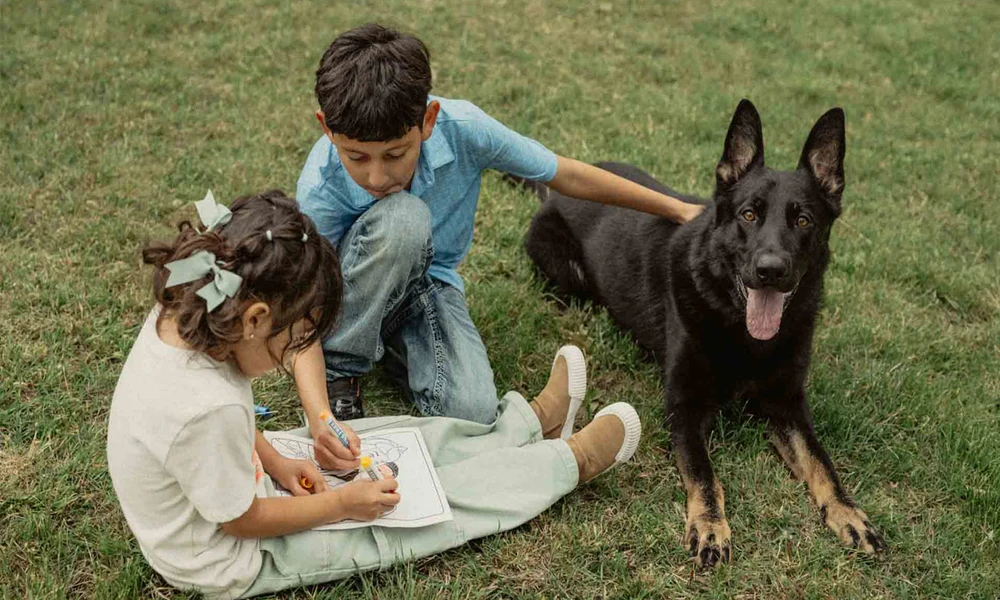
Protection dogs for executives and families alike are known for their loyalty, intelligence, and willingness to keep their families safe. If you have been searching for guard dogs for sale, it is important to understand that these dogs need much more than a loving home. They require proper training, daily exercise, mental challenges, and a responsible owner who can guide them with patience and consistency. While these dogs can become wonderful family companions, they are best suited for people who are ready to invest time and effort into raising them. Before choosing a protection breed, take the time to learn about their personality, care needs, and the responsibilities that come with ownership.
Understanding Protection Dog Breeds and Their Personality
Not every dog is naturally suited for protection work. Protection breeds have been carefully developed over many years to guard homes, livestock, or people. They are alert, confident, and quick to respond when they sense danger. At the same time, a well-trained protection dog should also be calm, friendly with its family, and able to tell the difference between a normal situation and a real threat.
Some of the most popular protection breeds include:
- Doberman Pinscher
- German Shepherd
- Belgian Malinois
- Rhodesian Ridgeback
- Rottweiler
- Giant Schnauzer
- Bullmastiff
- Staffordshire Terrier
- Komondor
Although these breeds share many similar qualities, each dog still has its own personality. Some may be more energetic, while others may be calmer and easier to manage. Meeting the puppy or adult dog before bringing it home is always a good idea.
Common Traits of Protection Dogs
Most protection breeds have several qualities in common that make them excellent guardians.
Highly loyal
Protection dogs often form very strong bonds with their families. They enjoy spending time with their owners and naturally want to keep them safe.
Intelligent
These breeds usually learn commands quickly. They enjoy solving problems and benefit from regular training sessions that keep their minds active.
Confident
A good protection dog should be confident rather than fearful. Confidence helps the dog stay calm and make better decisions in different situations.
Brave
Protection breeds are willing to step in when they believe their family is in danger. However, true courage comes with good training and proper control.
Family-oriented
Despite their protective nature, many of these dogs are gentle, loving, and playful with the people they know and trust.
Choosing the Right Protection Dog
Finding the right dog starts with choosing a responsible breeder. A good breeder cares about the health, behavior, and future of every puppy they produce.
- Ask your veterinarian for recommendations.
- Visit dog shows to meet experienced breeders.
- Look for breeders who perform health testing on their dogs.
- Ask to meet the puppy’s parents or see videos of them.
- Request medical records and family history.
- Ask questions about the puppy’s personality and energy level.
A responsible breeder will also ask questions about your lifestyle, previous dog experience, and living situation. This helps ensure their puppies go to homes where they can succeed.
It may be tempting to choose the loudest or most protective-looking puppy, but experienced trainers often recommend looking for confidence instead. A puppy that is curious, friendly, and comfortable exploring new places usually grows into a more balanced adult than one that is nervous or easily frightened.
Some families also work with an experienced dog trainer during the selection process. A trainer who understands protection breeds can help identify puppies with stable personalities that are better suited for family life.
Training, Exercise, and Daily Commitment
Owning a protection breed is a long-term responsibility. These dogs are happiest when they have structure, regular training, and daily activities that challenge both their body and mind.
Start Training Early
Training should begin as soon as your puppy comes home. Early lessons help build trust and establish good habits before unwanted behaviors appear.
Basic obedience should include:
- Coming when called
- Walking politely on a leash
- Sitting and staying on command
- Waiting calmly before meals or going through doors
- Learning a designated resting place inside the home
Positive reinforcement, patience, and consistency help protection dogs understand what is expected of them.
Proper Socialization Matters
Socialization teaches puppies how to stay calm in different environments. Introduce your dog to new people, sounds, places, and experiences while rewarding calm behavior.
The goal is not to make the dog ignore everything around it but to help it stay focused on its owner even when distractions are present.
A well-socialized protection dog should be comfortable meeting friendly strangers while remaining alert if a genuine threat appears.
Keep Their Minds and Bodies Active
Protection breeds have high energy levels. Without enough activity, they may become bored and develop unwanted behaviors such as excessive barking, chewing, or digging.
Daily exercise may include:
- Long walks
- Hiking
- Running
- Fetch
- Obedience practice
- Puzzle toys
- Scent games
- Agility activities
Mental exercise is just as important as physical activity. Teaching new commands and practicing training throughout the week helps keep these intelligent dogs engaged.
Consider Dog Sports
Many owners enjoy participating in organized dog sports that allow protection breeds to use their natural abilities in a controlled environment.
Popular activities include:
- Protection Sports Association (PSA)
- IPO (formerly Schutzhund)
- French Ring
These sports combine obedience, focus, and physical activity while strengthening the relationship between the dog and its handler. They also give owners the chance to meet others who enjoy training working dogs.
Is a Protection Dog Right for You?
Protection breeds can be excellent companions for the right families, but they are not the best choice for everyone. They need daily attention, consistent leadership, regular exercise, and ongoing training throughout their lives.
Before bringing one home, honestly consider your schedule, experience with dogs, and ability to meet these needs. Speaking with experienced breeders, trainers, and veterinarians can help you make an informed decision.
With the right care, proper socialization, and responsible ownership, a protection dog can become a loyal family member, a dependable companion, and a confident guardian that knows when to protect and when to simply relax at home.